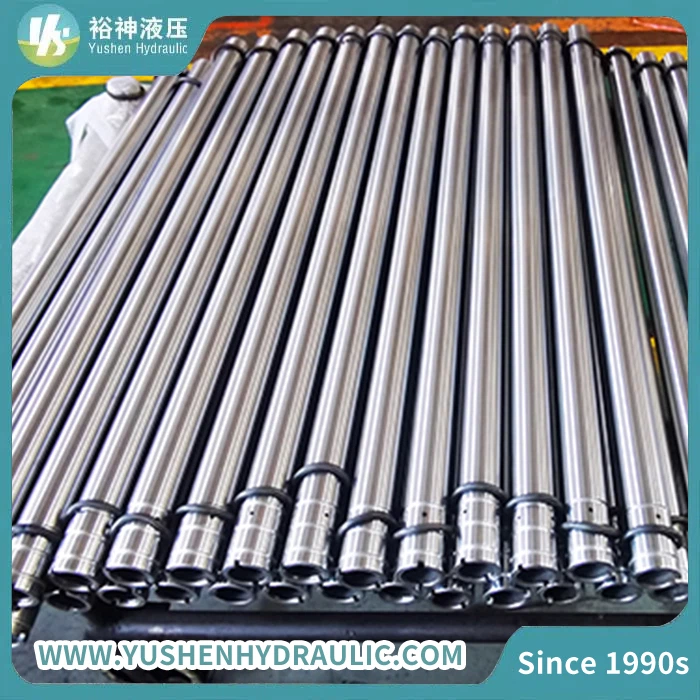
As a supplier of 20MnV6 Chromed Rod, I understand the importance of selecting the right cutting tools for this specific type of rod. 20MnV6 is a high - strength alloy steel that is often chromed to enhance its corrosion resistance and surface hardness. The chrome plating adds an extra layer of complexity when it comes to cutting, as it requires tools that can handle both the hard chrome surface and the underlying steel material.
Characteristics of 20MnV6 Chromed Rod
Before delving into the cutting tools, it's essential to understand the properties of 20MnV6 Chromed Rod. The 20MnV6 steel itself has good toughness and strength, making it suitable for applications in the automotive, machinery, and hydraulic industries. The chrome plating on the rod surface provides excellent wear resistance and a smooth finish, which is crucial for applications such as Hard Chrome Plated Hollow Piston Rod and Chrome Hydraulic Cylinder Rod.
However, these properties also mean that cutting 20MnV6 Chromed Rod is not a straightforward task. The hard chrome layer can cause rapid tool wear, and the high - strength steel beneath requires tools with sufficient cutting force and durability.
Types of Cutting Tools for 20MnV6 Chromed Rod
Carbide - Tipped Tools
Carbide - tipped cutting tools are a popular choice for cutting 20MnV6 Chromed Rod. Carbide is a very hard material, composed of tungsten carbide particles bonded together with a metal binder. These tools offer high wear resistance, which is essential when cutting through the hard chrome layer.


Carbide - tipped saw blades, for example, can make clean and precise cuts in the rod. They are available in various tooth configurations, such as alternate top bevel (ATB) and triple chip grind (TCG). ATB blades are suitable for general cutting applications and can provide a relatively smooth cut surface. TCG blades, on the other hand, are better for cutting through harder materials and can handle the chrome layer more effectively.
In addition to saw blades, carbide - tipped end mills and drills can also be used for machining operations on 20MnV6 Chromed Rod. End mills can be used for milling flat surfaces or creating slots, while drills are used for making holes. When using carbide - tipped tools, it's important to use the correct cutting speed and feed rate. A too - high cutting speed can cause the carbide tips to overheat and wear out quickly, while a too - low feed rate can result in poor cutting efficiency.
High - Speed Steel (HSS) Tools
High - speed steel tools are another option for cutting 20MnV6 Chromed Rod. HSS is a type of tool steel that can maintain its hardness at high temperatures, allowing for relatively high cutting speeds.
HSS saw blades are more affordable than carbide - tipped blades and can be a good choice for occasional cutting tasks or when working with smaller quantities of rods. However, they have a lower wear resistance compared to carbide - tipped tools, especially when cutting through the hard chrome layer.
HSS drills and taps can also be used for drilling and threading operations on 20MnV6 Chromed Rod. They are relatively easy to sharpen, which is an advantage in a workshop environment. When using HSS tools, it's important to use cutting fluids to cool the tool and reduce friction, which can help to extend the tool life.
Diamond - Coated Tools
Diamond - coated cutting tools are the most advanced option for cutting 20MnV6 Chromed Rod. Diamond is the hardest known material, and diamond - coated tools offer extremely high wear resistance.
Diamond - coated saw blades can make very precise cuts in the rod, even through the hard chrome layer. They can also maintain their cutting edge for a long time, reducing the need for frequent tool changes. Diamond - coated end mills and drills are also available for more complex machining operations.
However, diamond - coated tools are more expensive than carbide - tipped and HSS tools. They are typically used in high - volume production environments where the cost per cut can be justified by the increased tool life and productivity.
Factors to Consider When Choosing Cutting Tools
Cutting Method
The choice of cutting tool also depends on the cutting method. For example, if you are using a sawing machine to cut the rod, you will need a saw blade. Different sawing machines, such as band saws and circular saws, may require different types of saw blades.
If you are performing machining operations on a CNC machine, you will need to select the appropriate end mills, drills, or other cutting tools based on the specific operation. For example, if you are milling a flat surface, you will need a flat - end mill, while if you are creating a round hole, you will need a drill.
Rod Diameter and Thickness
The diameter and thickness of the 20MnV6 Chromed Rod also play a role in tool selection. For smaller - diameter rods, smaller - sized cutting tools may be sufficient. However, for larger - diameter rods, more powerful tools with a larger cutting capacity may be required.
For example, a thin - walled rod may be easier to cut with a fine - tooth saw blade, while a thick - walled rod may require a coarser - tooth blade to handle the increased material volume.
Production Volume
The production volume is another important factor. If you are cutting a small number of rods for a one - off project, you may choose more affordable tools such as HSS tools. However, if you are in a high - volume production environment, investing in more expensive but longer - lasting tools such as carbide - tipped or diamond - coated tools may be more cost - effective in the long run.
Cutting Process Optimization
Regardless of the cutting tool selected, optimizing the cutting process is crucial for achieving the best results. Here are some tips for optimizing the cutting process when working with 20MnV6 Chromed Rod:
Use the Correct Cutting Parameters
As mentioned earlier, using the correct cutting speed, feed rate, and depth of cut is essential. These parameters can vary depending on the type of cutting tool, the rod material, and the cutting method. Refer to the tool manufacturer's recommendations or conduct some test cuts to determine the optimal parameters.
Apply Cutting Fluids
Cutting fluids can help to cool the cutting tool, reduce friction, and flush away chips. This can extend the tool life and improve the surface finish of the cut rod. There are different types of cutting fluids available, such as water - based and oil - based fluids. Choose the appropriate cutting fluid based on the cutting operation and the tool material.
Maintain the Cutting Tools
Regular maintenance of the cutting tools is important for ensuring their performance and longevity. This includes sharpening the tools when necessary, checking for any signs of wear or damage, and cleaning the tools after use.
Conclusion
Selecting the right cutting tools for 20MnV6 Chromed Rod is a critical step in ensuring a successful cutting process. Carbide - tipped, high - speed steel, and diamond - coated tools all have their own advantages and are suitable for different applications. By considering factors such as the cutting method, rod diameter and thickness, and production volume, you can choose the most appropriate tool for your specific needs.
If you are in the market for 20MnV6 Chromed Rod or have any questions about cutting these rods, we are here to help. Our team of experts can provide you with more information and guidance on the best cutting solutions. We also offer a wide range of products related to the rod, such as DIN2391 ST52 Seamless Honed Tubes. Contact us today to start a procurement discussion and find the best solutions for your projects.
References
- "Machining Handbook", Industrial Press Inc.
- Technical literature from cutting tool manufacturers.
- Research papers on machining high - strength alloy steels.