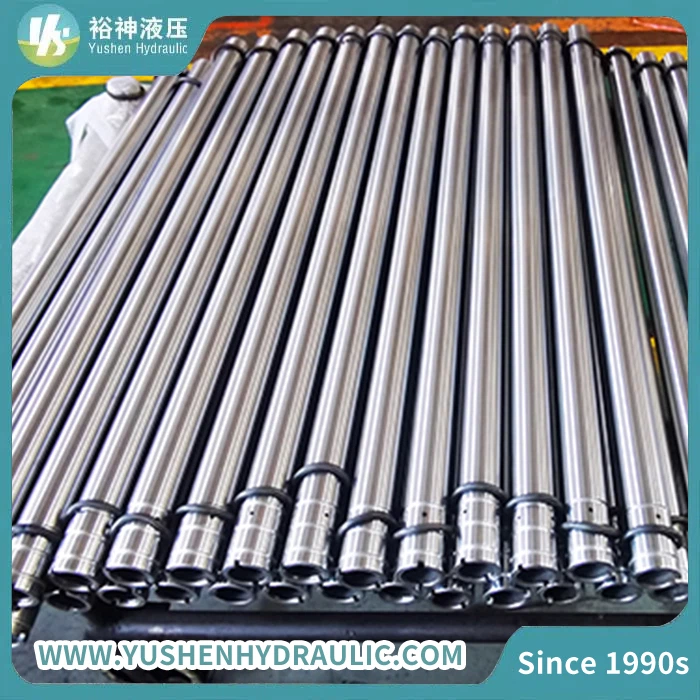
Hey there! As a supplier of Hydraulic Cylinder Pipes, I've seen firsthand how electromagnetic interference (EMI) can mess with the performance of these pipes. EMI can cause all sorts of problems, from signal distortion to complete system failure. That's why it's super important to know how to improve the electromagnetic interference resistance of a hydraulic cylinder pipe. In this blog, I'm gonna share some tips and tricks that can help you do just that.
Understanding Electromagnetic Interference
Before we dive into the solutions, let's quickly go over what EMI is. Electromagnetic interference is basically the disturbance that occurs when an electromagnetic field affects an electrical circuit. This can happen due to a variety of sources, like radio waves, power lines, and even other electronic devices. When EMI affects a hydraulic cylinder pipe, it can disrupt the electrical signals that control the cylinder's movement, leading to inaccurate operation.
Shielding the Hydraulic Cylinder Pipe
One of the most effective ways to improve the electromagnetic interference resistance of a hydraulic cylinder pipe is to use shielding. Shielding involves wrapping the pipe with a conductive material that can block or redirect the electromagnetic waves. There are several types of shielding materials available, such as copper foil, aluminum foil, and conductive polymers.
- Copper Foil Shielding: Copper is a great conductor of electricity, which makes it an excellent choice for shielding. You can wrap the hydraulic cylinder pipe with copper foil and secure it in place with tape or adhesive. Copper foil shielding is relatively inexpensive and easy to install, making it a popular choice for many applications.
- Aluminum Foil Shielding: Aluminum is another good conductor of electricity and is also lightweight and corrosion-resistant. Like copper foil, you can wrap the pipe with aluminum foil and secure it. Aluminum foil shielding is often used in applications where weight is a concern.
- Conductive Polymer Shielding: Conductive polymers are a newer type of shielding material that offer several advantages. They are flexible, easy to apply, and can be molded to fit the shape of the pipe. Conductive polymer shielding is also resistant to chemicals and moisture, making it suitable for harsh environments.
Grounding the Hydraulic Cylinder Pipe
Grounding is another important aspect of improving electromagnetic interference resistance. Grounding involves connecting the hydraulic cylinder pipe to a ground point, which provides a path for the electrical current to flow safely to the earth. By grounding the pipe, you can prevent the buildup of static electricity and reduce the risk of electromagnetic interference.
To ground the hydraulic cylinder pipe, you can use a grounding wire. Connect one end of the wire to the pipe and the other end to a suitable ground point, such as a grounding rod or a metal structure that is connected to the earth. Make sure the connection is secure and that the grounding wire has a low resistance.
Using EMI Filters
EMI filters are devices that can be installed in the electrical circuit of the hydraulic cylinder pipe to reduce electromagnetic interference. These filters work by blocking or attenuating the unwanted electromagnetic frequencies while allowing the desired signals to pass through.


There are several types of EMI filters available, such as low-pass filters, high-pass filters, and band-pass filters. The type of filter you choose will depend on the specific requirements of your application. For example, if you are dealing with high-frequency interference, you may want to use a low-pass filter to block the high frequencies.
Choosing the Right Materials
The materials used in the construction of the hydraulic cylinder pipe can also have an impact on its electromagnetic interference resistance. For example, using a pipe made of a conductive material, such as steel, can help to reduce electromagnetic interference.
- Steel Hydraulic Honed Tube: A Steel Hydraulic Honed Tube is a great option as steel is a good conductor and can provide some natural shielding against electromagnetic waves. These tubes are precision-honed to ensure a smooth internal surface, which is important for the proper operation of the hydraulic cylinder.
- Piston Rods: The piston rods in the hydraulic cylinder also play a role. Hard Chromed Plated Piston Rod and Hard Chrome Plated Piston Steel Rod not only offer excellent wear resistance but can also contribute to the overall electromagnetic performance of the system. The chrome plating can provide a certain level of protection against electromagnetic interference.
Proper Installation and Maintenance
Proper installation and maintenance of the hydraulic cylinder pipe are also crucial for improving electromagnetic interference resistance. During installation, make sure the pipe is properly routed and secured to prevent it from coming into contact with other electrical components or sources of interference.
Regular maintenance is also important. Check the shielding, grounding, and EMI filters regularly to make sure they are in good condition. If you notice any signs of damage or wear, replace the affected components immediately.
Conclusion
Improving the electromagnetic interference resistance of a hydraulic cylinder pipe is essential for ensuring its reliable and accurate operation. By using shielding, grounding, EMI filters, choosing the right materials, and following proper installation and maintenance procedures, you can significantly reduce the risk of electromagnetic interference.
If you're in the market for high - quality hydraulic cylinder pipes or have any questions about improving their electromagnetic interference resistance, I'd love to chat. Whether you need a Steel Hydraulic Honed Tube, a Hard Chromed Plated Piston Rod, or a Hard Chrome Plated Piston Steel Rod, I'm here to help. Let's have a conversation about your specific needs and find the best solutions for your application.
References
- "Electromagnetic Compatibility Engineering" by Henry W. Ott
- "Handbook of Electromagnetic Compatibility" edited by Clayton R. Paul