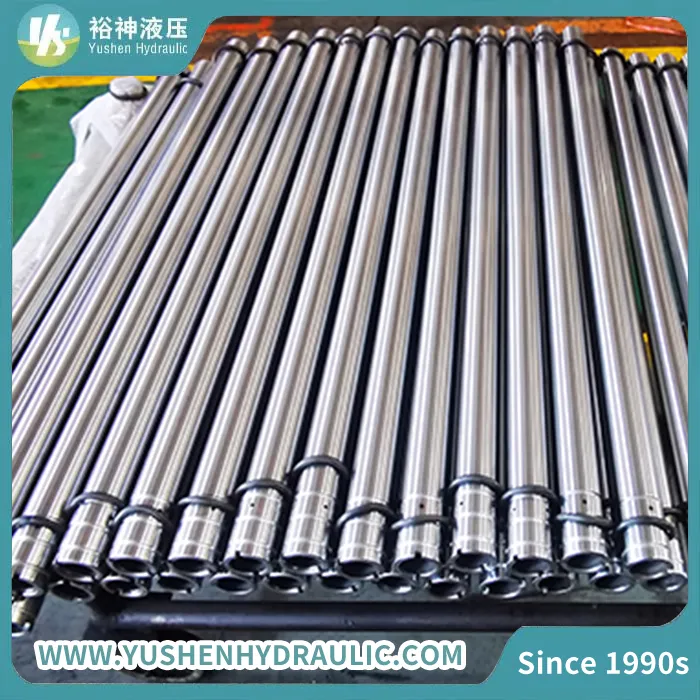
As a supplier of hydraulic cylinder pipes, I often encounter inquiries from customers about the wear resistance of coated hydraulic cylinder pipes. Wear resistance is a crucial property that determines the longevity and performance of hydraulic cylinders in various applications. In this blog post, I will delve into the concept of wear resistance in coated hydraulic cylinder pipes, exploring the factors that influence it and the benefits it offers.
Understanding Wear Resistance
Wear resistance refers to the ability of a material to withstand the effects of friction, abrasion, and other forms of mechanical wear. In the context of hydraulic cylinder pipes, wear resistance is essential because these pipes are subjected to repeated sliding and contact with other components, such as pistons and seals. Over time, this can lead to wear and tear, which can compromise the performance and efficiency of the hydraulic system.
A coated hydraulic cylinder pipe is designed to enhance its wear resistance by applying a protective layer on the surface. This layer can be made of various materials, such as chrome, ceramic, or polymer, each offering different levels of wear resistance and other properties. The choice of coating material depends on the specific requirements of the application, including the operating conditions, the type of fluid used, and the expected lifespan of the hydraulic cylinder.
Factors Affecting Wear Resistance
Several factors can influence the wear resistance of a coated hydraulic cylinder pipe. These include:
Coating Material
The type of coating material used is one of the most significant factors affecting wear resistance. Different coating materials have different properties, such as hardness, lubricity, and chemical resistance, which can impact their ability to withstand wear. For example, Chrome Plating Piston Rod is a popular choice for hydraulic cylinder pipes due to its high hardness and excellent corrosion resistance. Chrome plating can significantly improve the wear resistance of the pipe, reducing the risk of damage and extending its lifespan.
Coating Thickness
The thickness of the coating also plays a crucial role in determining its wear resistance. A thicker coating generally provides better protection against wear, but it can also increase the cost and weight of the pipe. Therefore, it is essential to find the right balance between coating thickness and performance. In some cases, a thinner coating may be sufficient if the operating conditions are relatively mild, while a thicker coating may be required for more demanding applications.
Surface Finish
The surface finish of the coated hydraulic cylinder pipe can also affect its wear resistance. A smooth surface finish reduces friction and wear, while a rough surface can increase the risk of damage. Therefore, it is important to ensure that the pipe has a high-quality surface finish before applying the coating. This can be achieved through processes such as grinding, polishing, or honing.
Operating Conditions
The operating conditions of the hydraulic system can also have a significant impact on the wear resistance of the coated hydraulic cylinder pipe. Factors such as temperature, pressure, and the type of fluid used can all affect the performance of the coating. For example, high temperatures can cause the coating to degrade, while abrasive fluids can increase the rate of wear. Therefore, it is important to consider the operating conditions when selecting a coating material and designing the hydraulic system.
Benefits of Wear Resistance in Coated Hydraulic Cylinder Pipes
The wear resistance of coated hydraulic cylinder pipes offers several benefits, including:
Extended Lifespan
By reducing the rate of wear and tear, a coated hydraulic cylinder pipe can have a longer lifespan. This means that the hydraulic system can operate for longer periods without the need for frequent maintenance or replacement, reducing downtime and costs.
Improved Performance
A coated hydraulic cylinder pipe can also improve the performance of the hydraulic system. By reducing friction and wear, the pipe can operate more smoothly and efficiently, resulting in better overall performance. This can lead to increased productivity and reduced energy consumption.
Enhanced Reliability
The wear resistance of a coated hydraulic cylinder pipe can also enhance the reliability of the hydraulic system. By reducing the risk of damage and failure, the pipe can ensure that the system operates consistently and without interruption. This can be particularly important in critical applications where downtime can have significant consequences.
Cost Savings
In the long run, the wear resistance of coated hydraulic cylinder pipes can result in cost savings. By reducing the need for frequent maintenance and replacement, the pipe can lower the overall cost of ownership of the hydraulic system. Additionally, the improved performance and reliability of the system can lead to increased productivity and reduced energy consumption, further reducing costs.
Applications of Coated Hydraulic Cylinder Pipes
Coated hydraulic cylinder pipes are used in a wide range of applications, including:
Construction Equipment
In construction equipment, such as excavators, loaders, and bulldozers, hydraulic cylinders are used to power various functions, such as lifting, digging, and pushing. Coated hydraulic cylinder pipes are essential in these applications because they are subjected to high loads and abrasive conditions. The wear resistance of the coated pipes helps to ensure that the hydraulic system operates reliably and efficiently, even in the most demanding environments.
Agricultural Machinery
In agricultural machinery, such as tractors, combines, and harvesters, hydraulic cylinders are used to control the movement of various components, such as the boom, the bucket, and the plow. Coated hydraulic cylinder pipes are important in these applications because they are exposed to dirt, dust, and other contaminants, which can cause wear and damage. The wear resistance of the coated pipes helps to protect the hydraulic system from these contaminants, ensuring that it operates smoothly and efficiently.


Industrial Machinery
In industrial machinery, such as presses, injection molding machines, and conveyor systems, hydraulic cylinders are used to provide the power and control necessary for various processes. Coated hydraulic cylinder pipes are crucial in these applications because they are often subjected to high pressures and temperatures. The wear resistance of the coated pipes helps to ensure that the hydraulic system can withstand these conditions, maintaining its performance and reliability over time.
Conclusion
In conclusion, the wear resistance of a coated hydraulic cylinder pipe is a critical property that determines its longevity and performance in various applications. By understanding the factors that influence wear resistance and the benefits it offers, you can make informed decisions when selecting a coated hydraulic cylinder pipe for your hydraulic system. As a supplier of hydraulic cylinder pipes, I am committed to providing high-quality products that meet the specific needs of my customers. If you are interested in learning more about our coated hydraulic cylinder pipes or have any questions about wear resistance, please feel free to contact me for a consultation. I look forward to working with you to find the best solution for your hydraulic system.