What is the impact of honing time on the precision of seamless steel tubes?
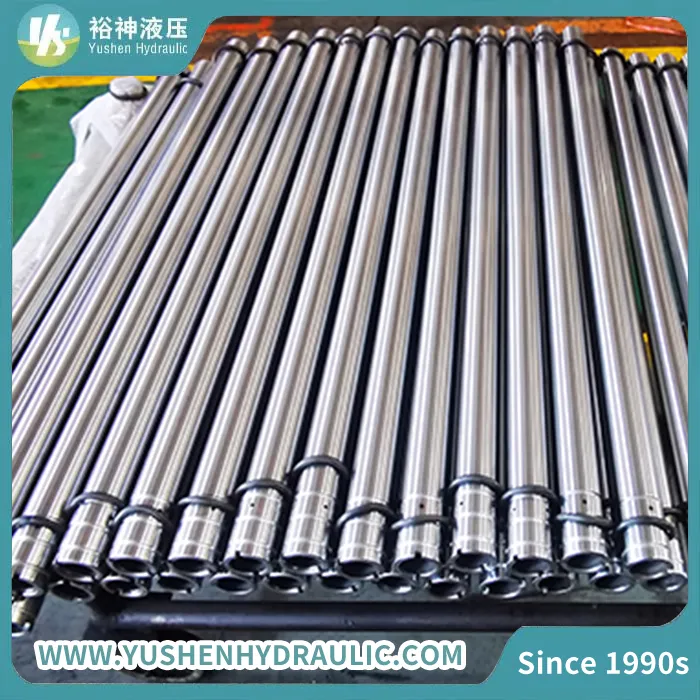
As a supplier of Seamless Steel Honed Tubes, I've witnessed firsthand the critical role that honing time plays in determining the precision of these essential industrial components. In this blog post, I'll delve into the science behind honing, exploring how the duration of the honing process can significantly impact the quality, accuracy, and performance of seamless steel tubes.


Understanding the Honing Process
Honing is a crucial finishing process used to improve the surface finish, size, and shape accuracy of cylindrical components, such as seamless steel tubes. It involves the use of a honing tool, which consists of abrasive stones that are pressed against the inner surface of the tube while rotating and reciprocating. This action removes a small amount of material, gradually refining the surface and achieving the desired dimensional precision.
The honing process offers several advantages over other machining methods, including:
- Improved Surface Finish: Honing can produce extremely smooth surfaces, with roughness values as low as a few micrometers. This smooth surface finish reduces friction and wear, improving the performance and longevity of the tube.
- Enhanced Dimensional Accuracy: Honing can achieve tight tolerances, typically within a few micrometers, ensuring the tube meets the required specifications. This high level of accuracy is essential for applications where precise fit and function are critical.
- Better Roundness and Straightness: Honing helps to correct any minor irregularities in the tube's shape, improving its roundness and straightness. This ensures that the tube can be used in applications where concentricity and alignment are important.
The Impact of Honing Time on Precision
The honing time, or the duration of the honing process, is a critical parameter that can significantly impact the precision of seamless steel tubes. Here's how:
Surface Finish
The longer the honing time, the smoother the surface finish of the tube. As the abrasive stones gradually remove material from the tube's inner surface, they create a more uniform and polished finish. However, there is a point of diminishing returns, where further honing time may not result in a significant improvement in surface finish. This is because the abrasive stones eventually become worn and less effective, and the surface of the tube reaches a state of equilibrium.
To achieve the desired surface finish, it's important to carefully control the honing time based on the specific requirements of the application. For example, applications that require a very smooth surface finish, such as hydraulic cylinders or precision machinery, may require a longer honing time compared to applications that can tolerate a slightly rougher surface.
Dimensional Accuracy
Honing time also plays a crucial role in achieving the desired dimensional accuracy of the tube. As the honing process removes material from the tube's inner surface, it gradually reduces the diameter of the tube to the specified size. The longer the honing time, the more material is removed, and the closer the tube's diameter will be to the target value.
However, it's important to note that honing is a relatively slow process, and excessive honing time can lead to over-sizing of the tube. This can result in a poor fit and reduced performance, especially in applications where precise dimensional tolerances are required. Therefore, it's essential to carefully monitor the honing process and stop when the desired dimensions are achieved.
Roundness and Straightness
The honing time can also affect the roundness and straightness of the tube. As the honing tool rotates and reciprocates inside the tube, it helps to correct any minor irregularities in the tube's shape. The longer the honing time, the more opportunity there is for the honing tool to remove material from high spots and correct any deviations from the desired roundness and straightness.
However, similar to dimensional accuracy, excessive honing time can also have a negative impact on roundness and straightness. This is because the honing tool may start to remove material unevenly, causing the tube to become out of round or distorted. Therefore, it's important to find the right balance between honing time and the desired level of roundness and straightness.
Factors Affecting Honing Time
Several factors can affect the optimal honing time for seamless steel tubes. These include:
- Tube Material: Different types of steel have different hardness and machinability characteristics, which can affect the honing time. Harder steels may require a longer honing time to achieve the desired surface finish and dimensional accuracy.
- Tube Diameter and Length: Larger diameter and longer tubes generally require a longer honing time compared to smaller diameter and shorter tubes. This is because there is more surface area to be honed, and the honing tool needs to cover a greater distance.
- Honing Tool Selection: The type and quality of the honing tool can also affect the honing time. Abrasive stones with a higher grit size and better quality can remove material more efficiently, reducing the honing time.
- Honing Parameters: The honing parameters, such as the rotational speed, reciprocating speed, and pressure applied to the honing tool, can also impact the honing time. Optimizing these parameters can help to achieve the desired results in the shortest possible time.
Applications and Considerations
Seamless steel honed tubes are used in a wide range of applications, including hydraulic cylinders, pneumatic cylinders, automotive components, and industrial machinery. The precision and quality of these tubes are critical for ensuring the reliable and efficient operation of these systems.
When selecting seamless steel honed tubes for a specific application, it's important to consider the following factors:
- Precision Requirements: Different applications have different precision requirements, such as surface finish, dimensional accuracy, and roundness. Make sure to choose tubes that meet the specific requirements of your application.
- Material Selection: The choice of material depends on the specific application and the operating conditions. Consider factors such as strength, corrosion resistance, and wear resistance when selecting the material.
- Manufacturing Process: The manufacturing process can also affect the quality and precision of the tubes. Look for suppliers that use advanced manufacturing techniques and have a proven track record of producing high-quality tubes.
Conclusion
In conclusion, honing time is a critical factor that can significantly impact the precision of seamless steel tubes. By carefully controlling the honing time and optimizing the honing parameters, it's possible to achieve the desired surface finish, dimensional accuracy, and roundness, ensuring the tubes meet the specific requirements of the application.
As a supplier of Seamless Steel Honed Tubes, we understand the importance of precision and quality in the manufacturing process. We use state-of-the-art equipment and advanced manufacturing techniques to ensure that our tubes meet the highest standards of accuracy and performance.
If you're in the market for high-quality seamless steel honed tubes, we invite you to contact us for a quote or to discuss your specific requirements. Our team of experts is always available to provide you with the information and support you need to make an informed decision.
Related Products