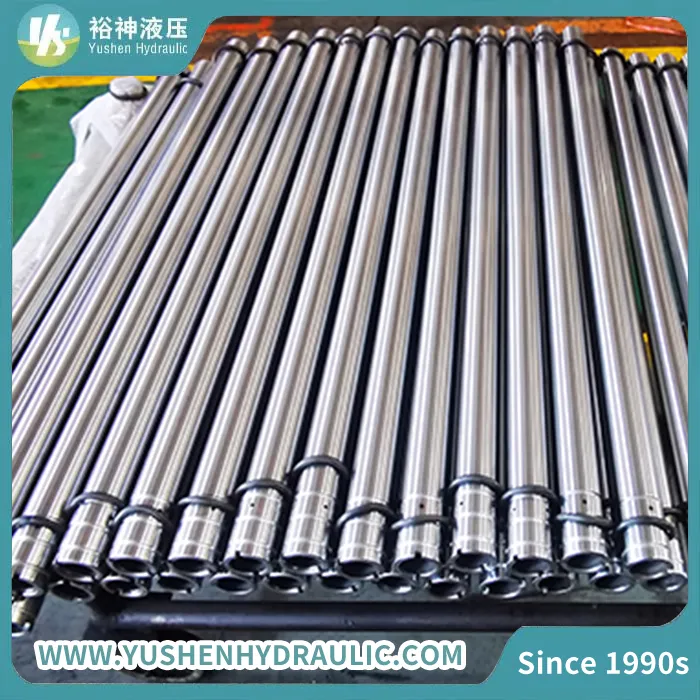
Hey there! As a supplier of hydraulic cylinder pipes, I've seen firsthand how crucial it is to keep these components in top - shape, especially when they're in a hydraulic lift. A well - maintained hydraulic cylinder pipe not only ensures the smooth operation of the lift but also extends its lifespan significantly. So, let's dive into how to maintain a hydraulic cylinder pipe in a hydraulic lift.
Regular Inspections
First off, you gotta do regular visual inspections. This is like a quick health check - up for your hydraulic cylinder pipe. Look for any signs of physical damage such as cracks, dents, or scratches. Even a small scratch can be a big problem as it can lead to the entry of contaminants, which will then cause corrosion and wear over time.
Check the pipe's connections too. Loose connections can cause leaks, which not only waste hydraulic fluid but can also reduce the lift's efficiency. Make sure all the bolts and fittings are tightened properly. If you find any damaged connections, replace them right away.
Keeping the Hydraulic Fluid Clean
The hydraulic fluid is like the lifeblood of your hydraulic lift. It transfers power and lubricates the moving parts. Keeping it clean is super important for the health of your hydraulic cylinder pipe.
Change the hydraulic fluid at regular intervals. The exact interval depends on the lift's usage and the manufacturer's recommendations, but generally, it's a good idea to change it every 6 - 12 months. When you're changing the fluid, make sure to use the right type of hydraulic fluid as specified in the lift's manual.
Also, use high - quality filters. Filters are responsible for trapping dirt and debris from the fluid. A clogged filter can cause a drop in pressure and damage the pipe. So, check and replace the filters as needed.
Preventing Corrosion
Corrosion is the enemy of hydraulic cylinder pipes. It weakens the pipe and can eventually lead to failure. To prevent corrosion, you can use chrome - plated pipes. Chrome plating provides a hard, smooth surface that resists corrosion and wear.


Chrome Plated Hydraulic Piston Rod is an excellent option. The chrome plating not only protects the rod from corrosion but also reduces friction, which is great for the overall performance of the hydraulic lift.
Another way to prevent corrosion is to keep the lift in a dry environment. Moisture is one of the main causes of corrosion. If the lift has to operate in a wet environment, use proper coatings or covers to protect the cylinder pipe.
Proper Lubrication
Just like a well - oiled machine, your hydraulic cylinder pipe needs proper lubrication. Lubrication reduces friction between the moving parts, which in turn reduces wear and tear.
Make sure to use the right type of lubricant. The lubricant should be compatible with the hydraulic fluid and the materials used in the cylinder pipe. Apply the lubricant according to the manufacturer's instructions. Over - lubricating can be as bad as under - lubricating, so follow the guidelines carefully.
Handling and Storage
How you handle and store the hydraulic lift can also have an impact on the cylinder pipe. When moving the lift, be careful not to hit or jolt the cylinder pipe. Even a minor impact can cause damage.
If you need to store the lift for an extended period, take some extra precautions. Clean the cylinder pipe thoroughly and apply a protective coating. Store the lift in a clean, dry place, away from direct sunlight and extreme temperatures.
Monitoring Temperature and Pressure
Keep an eye on the temperature and pressure of the hydraulic system. High temperatures can cause the hydraulic fluid to break down, which can damage the cylinder pipe. If the temperature gets too high, check for any issues like overloading or a malfunctioning cooling system.
Similarly, abnormal pressure can also cause problems. If the pressure is too high, it can put excessive stress on the cylinder pipe, leading to leaks or even rupture. Use pressure gauges to monitor the pressure regularly and make adjustments as needed.
Using High - Quality Components
When it comes to maintaining a hydraulic cylinder pipe, using high - quality components matters a lot. Cheaper components may seem like a good deal at first, but they can end up costing you more in the long run.
For example, Cylindrical Chrome Steel Rod and Hard Chromed Plating Piston Rod are made from high - quality materials and have excellent corrosion and wear resistance. Investing in these types of components can save you from a lot of headaches down the road.
Training the Operators
Last but not least, make sure the operators are well - trained. A trained operator knows how to use the hydraulic lift properly, which reduces the risk of damage to the cylinder pipe.
Train the operators on how to perform basic maintenance tasks like visual inspections, checking fluid levels, and lubrication. They should also know what to do in case of an emergency, such as a leak or a sudden drop in performance.
Okay, there you have it! These are the key steps to maintaining a hydraulic cylinder pipe in a hydraulic lift. By following these tips, you can ensure that your hydraulic lift operates smoothly and efficiently for a long time.
If you're in the market for high - quality hydraulic cylinder pipes or related components, don't hesitate to reach out. We're here to help you find the best products for your needs and provide you with all the support you need for maintenance. Let's start a conversation and see how we can work together to keep your hydraulic system in great shape.