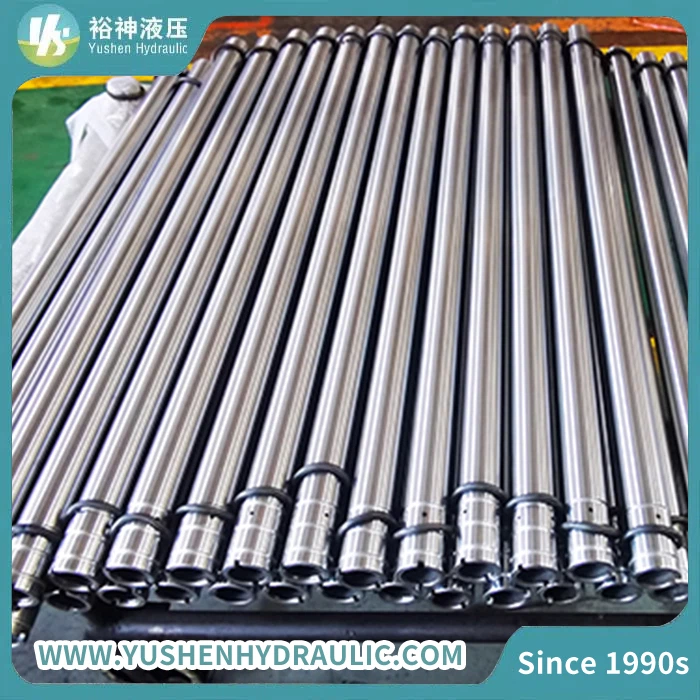
When embarking on a project that requires the use of a cylinder tube, selecting the right one is crucial for the success and efficiency of the entire operation. As a cylinder tube supplier, I understand the complexities and considerations involved in this decision-making process. In this blog post, I will guide you through the key factors to consider when choosing the right cylinder tube for a specific project.
Understanding the Project Requirements
The first step in choosing the right cylinder tube is to have a clear understanding of the project requirements. This includes the application of the cylinder tube, the operating environment, and the performance specifications. For example, if the cylinder tube is used in a hydraulic system, you need to consider the pressure, flow rate, and temperature requirements. If it is used in a pneumatic system, the pressure and flow rate requirements will be different.
Material Selection
The material of the cylinder tube plays a significant role in its performance and durability. Common materials for cylinder tubes include steel, aluminum, and stainless steel. Each material has its own advantages and disadvantages, and the choice depends on the specific requirements of the project.
- Steel: Steel is a popular choice for cylinder tubes due to its high strength and durability. It can withstand high pressures and is suitable for heavy-duty applications. However, steel is also prone to corrosion, so it may require additional surface treatment to prevent rusting.
- Aluminum: Aluminum is lightweight and has good corrosion resistance. It is often used in applications where weight is a concern, such as in aerospace and automotive industries. However, aluminum is not as strong as steel and may not be suitable for high-pressure applications.
- Stainless Steel: Stainless steel is highly resistant to corrosion and is suitable for applications in harsh environments. It is often used in food processing, pharmaceutical, and chemical industries. However, stainless steel is more expensive than steel and aluminum.
Size and Dimensions
The size and dimensions of the cylinder tube are also important considerations. The diameter, length, and wall thickness of the tube need to be carefully selected to ensure that it can meet the requirements of the project. The diameter of the tube determines the flow rate and pressure capacity, while the length and wall thickness affect the strength and stability of the tube.
Surface Finish
The surface finish of the cylinder tube can affect its performance and durability. A smooth surface finish can reduce friction and wear, while a rough surface finish can cause damage to the seals and other components. Common surface finishes for cylinder tubes include chrome plating, nickel plating, and powder coating.
- Chrome Plating: Chrome plating is a popular surface finish for cylinder tubes due to its high hardness and corrosion resistance. It can also reduce friction and wear, making it suitable for high-pressure applications.
- Nickel Plating: Nickel plating is another common surface finish for cylinder tubes. It provides good corrosion resistance and can improve the appearance of the tube.
- Powder Coating: Powder coating is a cost-effective surface finish that can provide good protection against corrosion and wear. It is available in a variety of colors and can be used to enhance the aesthetic appeal of the tube.
Compatibility with Other Components
When choosing a cylinder tube, it is important to ensure that it is compatible with other components in the system. This includes the piston rod, seals, and valves. The piston rod is an important component of the cylinder tube, and it needs to be compatible with the tube in terms of size, material, and surface finish. For example, if you are using a Ck45 Hydraulic Piston Rod, you need to ensure that the cylinder tube is compatible with it. Similarly, the seals and valves need to be compatible with the cylinder tube to ensure proper operation of the system.
Cost Considerations
Cost is always an important consideration when choosing a cylinder tube. The cost of the tube depends on several factors, including the material, size, surface finish, and quantity. It is important to balance the cost with the performance and durability of the tube to ensure that you are getting the best value for your money.
Quality and Reliability
The quality and reliability of the cylinder tube are crucial for the success of the project. You should choose a supplier that has a good reputation for providing high-quality products and excellent customer service. Look for suppliers that have a quality control system in place to ensure that the products meet the required standards.
Conclusion
Choosing the right cylinder tube for a specific project requires careful consideration of several factors, including the project requirements, material selection, size and dimensions, surface finish, compatibility with other components, cost, and quality. As a cylinder tube supplier, I can help you make the right choice based on your specific needs. If you have any questions or need further assistance, please feel free to contact me for a detailed discussion and to explore potential procurement opportunities.