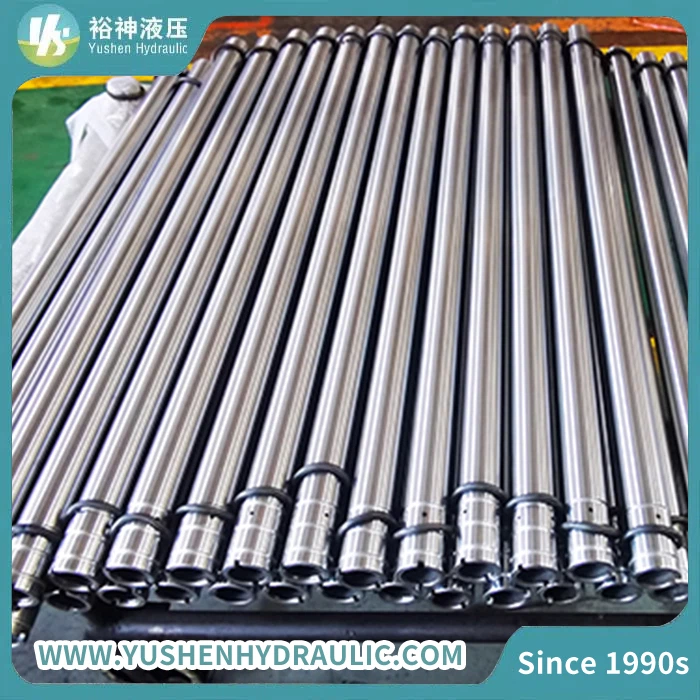
As a supplier of E355 Cylinder Tubes, I am frequently asked about the impact resistance of these tubes. This is a crucial aspect, especially for industries where the cylinders are exposed to high - stress environments. In this blog, I will delve into the factors that influence the impact resistance of E355 Cylinder Tubes, the significance of this property, and how it relates to real - world applications.
Understanding E355 Cylinder Tubes
Before discussing impact resistance, it's important to have a basic understanding of E355 Cylinder Tubes. E355 is a high - strength, low - alloy structural steel grade. It is widely used in the manufacturing of cylinders due to its excellent mechanical properties. The tubes made from E355 steel are known for their good weldability, formability, and corrosion resistance. These properties make them suitable for a variety of applications, including hydraulic cylinders, construction machinery, and automotive components.
Factors Affecting the Impact Resistance of E355 Cylinder Tubes
Chemical Composition
The chemical composition of E355 steel plays a vital role in determining its impact resistance. The main alloying elements in E355 steel include carbon (C), silicon (Si), manganese (Mn), phosphorus (P), sulfur (S), and trace amounts of other elements. Carbon is one of the most important elements as it affects the strength and hardness of the steel. However, an excessive amount of carbon can reduce the impact toughness. A balanced carbon content in E355 steel ensures a good combination of strength and impact resistance.
Manganese is another key element. It helps to improve the hardenability of the steel and also enhances its impact toughness. Silicon is added to deoxidize the steel during the manufacturing process and can contribute to the overall strength. Phosphorus and sulfur are usually kept at low levels because they can have a negative impact on the impact resistance and other mechanical properties of the steel.
Heat Treatment
Heat treatment is a critical process that can significantly affect the impact resistance of E355 Cylinder Tubes. Normalizing, quenching, and tempering are common heat - treatment methods used for E355 steel. Normalizing involves heating the steel to a specific temperature and then air - cooling it. This process refines the grain structure of the steel, which in turn improves its impact toughness.
Quenching is a more aggressive heat - treatment method where the steel is heated to a high temperature and then rapidly cooled in a quenching medium such as oil or water. Quenching can increase the hardness of the steel, but it may also make the steel more brittle. To counteract this brittleness, tempering is usually carried out after quenching. Tempering involves reheating the quenched steel to a lower temperature and then cooling it slowly. This process helps to relieve internal stresses and improve the impact resistance of the steel.
Manufacturing Process
The manufacturing process of E355 Cylinder Tubes also has an impact on their impact resistance. Seamless tubes, for example, generally have better impact resistance than welded tubes. Seamless tubes are produced by piercing a solid billet, which results in a more uniform grain structure and fewer defects. Welded tubes, on the other hand, may have weld seams that can act as stress concentration points, reducing the overall impact resistance.
The quality of the manufacturing equipment and the precision of the manufacturing process also matter. High - quality equipment and strict quality control can ensure that the tubes have consistent dimensions and mechanical properties, which are essential for good impact resistance.
Significance of Impact Resistance in E355 Cylinder Tubes
Safety in High - Stress Environments
In many industrial applications, E355 Cylinder Tubes are subjected to high - impact loads. For example, in construction machinery such as excavators and loaders, the cylinders are used to lift heavy loads and perform other strenuous tasks. If the cylinders do not have sufficient impact resistance, they may fail under high - impact conditions, which can lead to serious safety hazards.
In the automotive industry, cylinders are used in suspension systems and other critical components. A cylinder with poor impact resistance may break during sudden impacts, causing the vehicle to lose control and potentially leading to accidents. Therefore, ensuring the high impact resistance of E355 Cylinder Tubes is crucial for the safety of both workers and the general public.
Long - Term Durability
Impact resistance also contributes to the long - term durability of E355 Cylinder Tubes. Cylinders that are exposed to repeated impact loads over time may develop cracks and other forms of damage if they do not have good impact resistance. These damages can gradually weaken the cylinders and reduce their service life.
By using E355 Cylinder Tubes with high impact resistance, industries can reduce the frequency of cylinder replacements, which in turn can save costs on maintenance and equipment downtime. This makes high - impact - resistant cylinders a more cost - effective choice in the long run.
Real - World Applications and Impact Resistance Requirements
Hydraulic Cylinders
Hydraulic cylinders are one of the most common applications of E355 Cylinder Tubes. In hydraulic systems, cylinders are used to convert hydraulic energy into mechanical force. These cylinders are often subjected to high - pressure and high - impact loads during operation.
For example, in a hydraulic press, the cylinder needs to withstand the impact of the press stroke. If the cylinder tube does not have sufficient impact resistance, it may deform or crack under the high - impact load, leading to a loss of hydraulic pressure and a malfunction of the press. Therefore, hydraulic cylinders require E355 Cylinder Tubes with excellent impact resistance to ensure reliable operation.
Construction Machinery
In construction machinery, E355 Cylinder Tubes are used in various components such as booms, arms, and buckets. These components are exposed to harsh working conditions, including heavy loads, vibrations, and impacts.
For instance, in a crane, the cylinders that control the movement of the boom need to be able to withstand the impact of sudden stops and starts. A cylinder with poor impact resistance may fail under these conditions, causing the boom to malfunction and endangering the safety of the operators and the surrounding environment.
Automotive Industry
In the automotive industry, E355 Cylinder Tubes are used in suspension systems, steering systems, and other critical components. These components are subjected to various types of impacts, such as potholes, bumps, and collisions.
A suspension cylinder with high impact resistance can provide a smoother ride and better handling. It can also prevent damage to other components in the vehicle, such as the wheels and the body. Therefore, the automotive industry has high requirements for the impact resistance of E355 Cylinder Tubes.
Testing the Impact Resistance of E355 Cylinder Tubes
To ensure that E355 Cylinder Tubes meet the required impact resistance standards, various testing methods are used. One of the most common methods is the Charpy impact test. In this test, a notched specimen is struck by a pendulum hammer, and the energy absorbed by the specimen during the impact is measured.
The higher the energy absorbed, the better the impact resistance of the material. Another testing method is the Izod impact test, which is similar to the Charpy test but uses a different specimen configuration. These tests are usually carried out at different temperatures to evaluate the impact resistance of the tubes under various environmental conditions.
Conclusion
The impact resistance of E355 Cylinder Tubes is a critical property that is influenced by factors such as chemical composition, heat treatment, and manufacturing process. It is of great significance in ensuring the safety and long - term durability of cylinders in various industrial applications, including hydraulic systems, construction machinery, and the automotive industry.
As a supplier of E355 Cylinder Tubes, we are committed to providing high - quality products with excellent impact resistance. Our tubes are manufactured using advanced technology and strict quality control measures to ensure that they meet the highest standards.
If you are in need of E355 Cylinder Tubes for your specific application, we encourage you to contact us for a detailed discussion. Our team of experts can help you select the right tubes based on your requirements and provide you with the best solutions. We look forward to the opportunity to work with you and contribute to the success of your projects.
References
- ASM Handbook Volume 1: Properties and Selection: Irons, Steels, and High - Performance Alloys.
- ISO 6892 - 1:2019, Metallic materials - Tensile testing - Part 1: Method of test at room temperature.
- ASTM E23 - 18a, Standard Test Methods for Notched Bar Impact Testing of Metallic Materials.