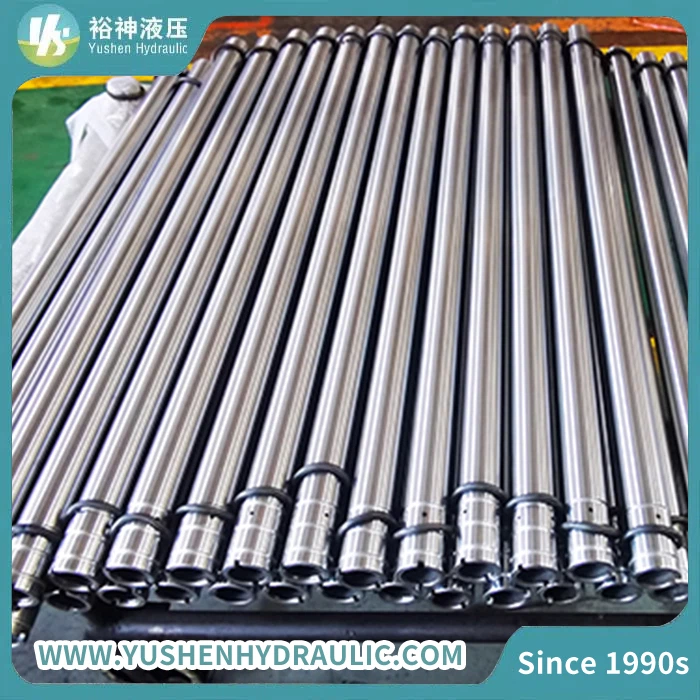
Hey there, fellow industry enthusiasts! As a supplier of 42Crmo4 chromed rod, I've seen firsthand the unique challenges that come with using this material in marine environments. In this blog, I'm going to break down these challenges and share some insights on how to address them.


Corrosion: The Number One Foe
Let's kick things off with the biggie: corrosion. Marine environments are brutal on metals because of the high salt content in seawater. Saltwater is like a super - charged electrolyte, and it speeds up the corrosion process big time. In the case of 42Crmo4 chromed rod, even though the chrome plating acts as a protective layer, it's not invincible.
The chrome plating on the 42Crmo4 rod can prevent oxygen and water from reaching the steel beneath, which slows down oxidation. But over time, small scratches or chips in the chrome can expose the underlying alloy steel. Once that happens, the steel starts to rust. And in saltwater, this rust can spread quickly. The chloride ions in the seawater react with the iron in the steel, forming iron chloride. This compound is highly soluble and can easily wash away, leaving behind more exposed steel to corrode. It's a vicious cycle, and if not properly managed, it can lead to the premature failure of the rod.
Microstructural Changes Due to Temperature Variations
The marine environment also has some wild temperature swings. During the day, the sun can heat up the water and the equipment in it, while at night, things can cool down significantly. These temperature changes can cause microstructural changes in the 42Crmo4 chromed rod.
When the rod is heated, the metal expands. If it cools down too quickly, internal stresses can build up. These stresses can lead to cracking in both the chrome plating and the base steel. And we know that once cracks form, they become pathways for corrosion. The micro - structure of 42Crmo4 can also change under these thermal stress conditions. For example, the formation of martensite, a hard and brittle phase of steel, can occur during rapid cooling. This can make the rod more prone to fracture and reduce its overall mechanical properties.
Biofouling: A Sticky Situation
Another challenge that we often underestimate is biofouling. Marine organisms like barnacles, algae, and mussels love to attach themselves to any surface they can find, including our 42Crmo4 chromed rods. As these organisms grow and multiply, they can create a physical load on the rod. This additional weight can affect the rod's performance, especially in applications where precise movement is required.
Moreover, biofouling can also accelerate corrosion. The biofilms created by these organisms can trap moisture and corrosive substances, creating a micro - environment that is even more corrosive than the surrounding seawater. The organisms can also release metabolic products that are acidic, which can eat away at the chrome plating and the steel beneath it.
Abrasion and Erosion
In the marine world, there are plenty of sources of abrasion and erosion. Sand particles, floating debris, and even the movement of seawater itself can wear down the 42Crmo4 chromed rod. The fast - moving water currents can carry abrasive particles that act like tiny sandpapers on the rod's surface.
The chrome plating is supposed to resist abrasion, but continuous exposure to these abrasive forces can gradually wear it down. Once the plating is compromised, the underlying steel is at risk. Erosion can also occur due to cavitation. When the water pressure changes rapidly, small vapor bubbles can form and collapse near the rod's surface. This collapse creates a high - pressure shockwave that can damage the chrome plating and the steel.
Addressing the Challenges
So, what can we do to overcome these challenges? Well, first off, proper surface preparation before chrome plating is crucial. A smooth and clean surface will ensure better adhesion of the chrome layer, making it more resistant to chipping and cracking.
We can also consider using thicker chrome plating. A thicker layer can provide better protection against corrosion and abrasion. However, it's important to find the right balance because overly thick plating can lead to other issues like increased stress and reduced flexibility.
Regular maintenance is a must. Inspecting the rods for any signs of damage, such as scratches or biofouling, and taking immediate action can prevent small problems from turning into big ones. Cleaning the rods to remove biofouling and applying protective coatings can also extend their lifespan.
Our Products and Their Relevance
As a 42Crmo4 chromed rod supplier, we also offer related products that can help in marine applications. For example, our Hard Chrome Plated Piston Rod is designed to withstand the harsh conditions of the marine environment. The hard chrome plating provides excellent wear and corrosion resistance, making it a great choice for hydraulic systems in boats and offshore platforms.
Our Alloy Steel Hydraulic Tube is another product that works well in conjunction with the 42Crmo4 chromed rod. Made from high - quality alloy steel, it has the strength and durability needed to handle the pressures and stresses in marine hydraulic systems.
And of course, our Chrome Plated Hydraulic Piston Rod is specifically engineered for hydraulic applications in marine settings. The chrome plating not only protects against corrosion but also reduces friction, ensuring smooth operation of the hydraulic system.
Let's Connect
If you're in the market for 42Crmo4 chromed rod or any of our related products for your marine projects, I'd love to hear from you. We have a team of experts ready to answer your questions and provide you with the best solutions. Whether you need help in choosing the right product or want to discuss custom - made options, we're here to assist. Don't hesitate to reach out and start a conversation about your requirements. We're confident that our products can meet the challenges of the marine environment and provide long - lasting performance.