


Yo, folks! I'm stoked to be here as a supplier of Hydraulic Cylinder Pipes, and today, I'm gonna break down how these bad boys work. Hydraulic cylinder pipes are like the unsung heroes in a whole bunch of industries. They're everywhere, from construction sites to manufacturing plants, making all sorts of heavy - duty tasks possible.

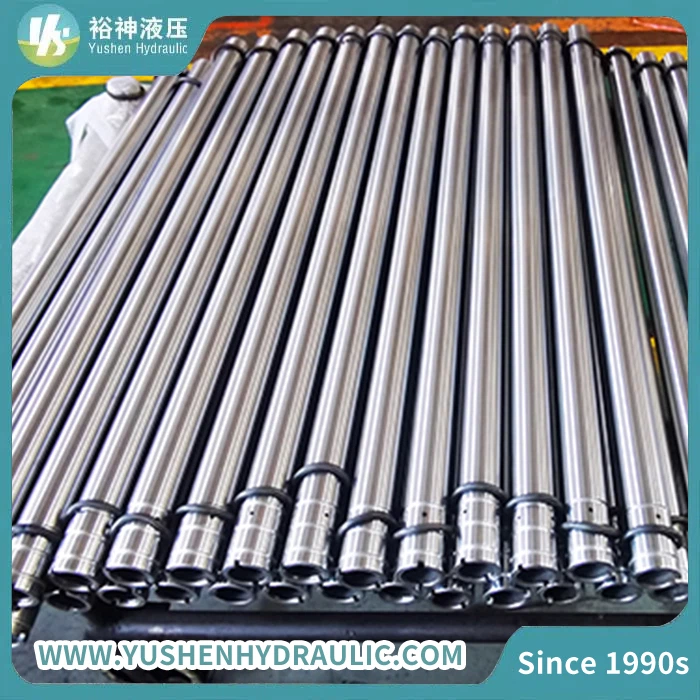
Let's start with the basics. A hydraulic cylinder is a mechanical actuator that converts hydraulic energy into linear force and motion. And the hydraulic cylinder pipe is the key component that houses all the action. Picture it like a long, tubular container that's built to withstand high pressures and keep everything inside in place.
The Main Parts of a Hydraulic Cylinder Pipe System
First off, there are the pistons. These are like the powerhouses inside the cylinder pipe. The piston is a disk - shaped component that fits snugly inside the cylinder. When hydraulic fluid is pumped into one side of the piston, it creates pressure. This pressure forces the piston to move in one direction, and that's how you get the linear motion.
Then, there's the piston rod. It's connected to the piston and extends outside the cylinder. The piston rod is what transfers the force generated by the piston to the external load. For high - performance applications, we often recommend our Hard Chrome Steel Piston Rod. The hard chrome plating on these rods makes them super resistant to wear and corrosion, which means they'll last a long time even in tough environments.
The seals are also a crucial part. They're like the guardians of the cylinder pipe. Seals prevent the hydraulic fluid from leaking out and keep contaminants from getting in. If the seals fail, the whole system can go haywire. You'll lose pressure, and the cylinder won't work as efficiently.
How the Hydraulic Fluid Works
Hydraulic fluid is the lifeblood of the system. It's usually a special type of oil that has good lubricating properties and can handle high pressures. When you start the hydraulic pump, it sucks in the fluid from a reservoir and then forces it into the hydraulic cylinder pipe.
The fluid enters one end of the cylinder, and as I mentioned earlier, it pushes against the piston. The pressure builds up, and the piston moves. The beauty of this system is that you can control the speed and force of the piston's movement by adjusting the amount of fluid being pumped and the size of the cylinder.
Let's say you're using a hydraulic cylinder in a construction machine to lift a heavy load. You can make the lift slow and steady by pumping in the fluid at a low rate. Or, if you need to move the load quickly, you can increase the flow of the fluid.
The Role of Valves
Valves are like the traffic controllers of the hydraulic system. They regulate the flow of the hydraulic fluid. There are different types of valves, such as directional control valves, pressure control valves, and flow control valves.
Directional control valves decide which way the fluid will flow. They can direct the fluid to either side of the piston, which determines whether the piston moves forward or backward. Pressure control valves, on the other hand, keep the pressure in the system at a safe and optimal level. If the pressure gets too high, these valves will release some of the fluid to prevent damage to the cylinder and other components.
Flow control valves are used to adjust the speed of the piston's movement. By controlling the amount of fluid that reaches the cylinder, you can make the piston move faster or slower.
Real - World Applications
The applications of hydraulic cylinder pipes are endless. In the construction industry, they're used in excavators, bulldozers, and cranes. These machines rely on the power of hydraulic cylinders to lift heavy loads, dig, and move earth.
In manufacturing plants, hydraulic cylinders are used in presses. For example, in a metal - stamping factory, a hydraulic press can use a hydraulic cylinder to apply a huge amount of force to shape metal sheets into different parts.
Even in the automotive industry, hydraulic cylinders play an important role. They're used in car lifts at auto repair shops. When you take your car in for an oil change or some other maintenance, the lift that raises your vehicle off the ground is likely powered by hydraulic cylinders.
Our Products and Why They're Great
As a supplier of Hydraulic Cylinder Pipes, we take pride in offering top - quality products. Our pipes are made from high - grade materials that can handle extreme pressures and temperatures. We also offer Hard Chrome Plated Piston Shaft Rod and Piston Rod Hard Chrome Plated Rod options.
These chrome - plated rods have a smooth surface finish, which reduces friction between the piston and the cylinder wall. This not only improves the efficiency of the system but also extends the lifespan of the components.
We understand that different industries have different requirements. That's why we offer custom - made hydraulic cylinder pipes. Whether you need a specific size, shape, or pressure rating, we can work with you to create the perfect solution for your application.
Wrapping It Up and Reaching Out
So, there you have it, a rundown of how hydraulic cylinder pipes work. It's a pretty amazing technology that powers so many aspects of our modern world. If you're in need of high - quality hydraulic cylinder pipes, piston rods, or any related products, we're here to help.
We've got the knowledge, experience, and the products to meet your needs. Whether you're a small business or a large corporation, we can provide you with the right solutions at competitive prices. Don't hesitate to reach out if you've got any questions or if you're ready to start a discussion about your procurement needs.


