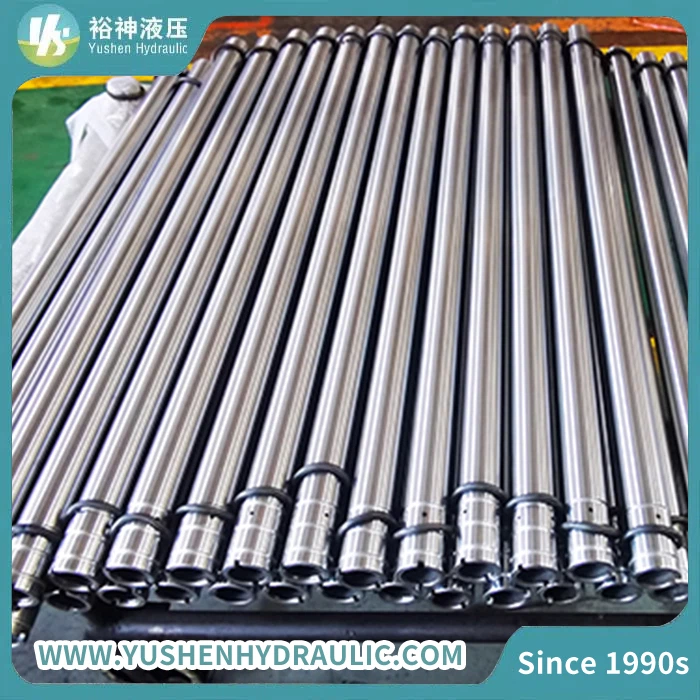
In the realm of hydraulic systems, hydraulic cylinder pipes play a pivotal role. These pipes are the conduits through which hydraulic fluid flows, enabling the smooth operation of cylinders that are essential in various industrial applications, from construction equipment to manufacturing machinery. As a leading supplier of hydraulic cylinder pipes, I have in - depth knowledge of the materials commonly used for these pipes. In this blog, I will explore the most frequently employed materials, their characteristics, and their suitability for different applications.
Carbon Steel
Carbon steel is one of the most widely used materials for hydraulic cylinder pipes. It is a steel alloy that primarily consists of iron and carbon, with small amounts of other elements such as manganese, silicon, and sulfur. The reason for its popularity lies in its excellent combination of strength, durability, and cost - effectiveness.
Properties
- Strength: Carbon steel has high tensile strength, which means it can withstand significant amounts of stress without deforming or breaking. This is crucial in hydraulic systems where the pipes are subjected to high - pressure fluid flow. For example, in heavy - duty construction equipment, the hydraulic cylinders need to generate large forces, and carbon steel pipes can handle the associated pressures.
- Durability: It is resistant to wear and tear, making it suitable for long - term use in harsh environments. Carbon steel can endure exposure to dirt, dust, and moisture without significant degradation. This durability reduces the need for frequent replacements, saving both time and money for the end - users.
- Machinability: Carbon steel is relatively easy to machine, which allows for the production of hydraulic cylinder pipes with precise dimensions. This precision is essential for ensuring a proper fit and seal within the hydraulic system.
Applications
Carbon steel hydraulic cylinder pipes are commonly used in general industrial applications, such as in manufacturing plants for conveyor systems, presses, and material handling equipment. They are also prevalent in agricultural machinery, where they can withstand the rigors of outdoor use and the demands of farming operations. You can find high - quality carbon steel products like Carbon Steel Rod Steel Bar Chrome which are suitable for hydraulic cylinder pipe production.
Stainless Steel
Stainless steel is another important material for hydraulic cylinder pipes, especially in applications where corrosion resistance is a primary concern.
Properties
- Corrosion Resistance: Stainless steel contains chromium, which forms a passive oxide layer on the surface of the material. This layer protects the steel from rust and corrosion, even when exposed to corrosive substances such as chemicals, saltwater, or acidic environments. This makes it ideal for use in marine applications, food processing plants, and chemical industries.
- Hygiene: In industries where cleanliness is crucial, such as the food and beverage industry, stainless steel is a preferred choice. It is easy to clean and sanitize, reducing the risk of contamination.
- Aesthetic Appeal: Stainless steel has a shiny, attractive appearance, which can be an advantage in applications where the hydraulic cylinders are visible, such as in architectural installations or high - end machinery.
Applications
Stainless steel hydraulic cylinder pipes are used in marine equipment, such as ship steering systems and deck machinery, where they are constantly exposed to saltwater. They are also used in the pharmaceutical and food processing industries, where maintaining a sterile environment is essential.


Chrome - Plated Steel
Chrome - plated steel combines the strength of steel with the corrosion - resistant and low - friction properties of chrome.
Properties
- Corrosion Resistance: The chrome plating provides a protective layer that shields the underlying steel from corrosion. This is particularly useful in applications where the hydraulic cylinders are exposed to moisture or corrosive agents.
- Low Friction: Chrome has a low coefficient of friction, which reduces the wear on the piston rods and seals within the hydraulic cylinder. This results in smoother operation and longer service life for the components.
- Hardness: Chrome plating increases the surface hardness of the steel, improving its resistance to abrasion and wear.
Applications
Chrome - plated steel is commonly used for piston rods in hydraulic cylinders. For example, Chrome Treated Cylinder Steel Piston Rod offers high - quality chrome - treated piston rods that are suitable for a wide range of hydraulic applications. It is also used in automotive hydraulic systems, such as power steering and brake systems, where smooth operation and long - term durability are required.
Aluminum
Aluminum is a lightweight material that is increasingly being used for hydraulic cylinder pipes in certain applications.
Properties
- Lightweight: Aluminum has a low density, which makes it much lighter than steel. This can be a significant advantage in applications where weight reduction is a priority, such as in aerospace and automotive industries. Reducing the weight of the hydraulic system can improve fuel efficiency and overall performance.
- Corrosion Resistance: Aluminum forms a natural oxide layer on its surface, which provides some degree of corrosion resistance. However, this can be further enhanced through anodizing or other surface treatments.
- Thermal Conductivity: Aluminum has good thermal conductivity, which means it can dissipate heat more effectively than some other materials. This is beneficial in hydraulic systems where heat generation can be an issue.
Applications
Aluminum hydraulic cylinder pipes are used in aircraft landing gear systems, where weight savings are critical. They are also used in some automotive applications, such as in convertible top mechanisms, to reduce the overall weight of the vehicle.
Alloy Steel
Alloy steel is a type of steel that contains additional alloying elements, such as nickel, molybdenum, or vanadium, to enhance its properties.
Properties
- High Strength: Alloy steel can have significantly higher strength than carbon steel, making it suitable for applications where extremely high pressures are involved. The addition of alloying elements improves the steel's hardenability and toughness.
- Toughness: It has excellent toughness, which means it can absorb energy without fracturing. This is important in applications where the hydraulic cylinders are subjected to impact loads or sudden changes in pressure.
- Heat Resistance: Some alloy steels have good heat resistance, which allows them to maintain their properties at high temperatures. This is useful in applications such as in high - temperature industrial processes or in engines.
Applications
Alloy steel hydraulic cylinder pipes are used in heavy - duty construction equipment, such as large excavators and cranes, where they need to withstand high pressures and heavy loads. They are also used in the oil and gas industry, where the hydraulic systems are often exposed to high - pressure and high - temperature conditions.
Selection Considerations
When choosing the material for hydraulic cylinder pipes, several factors need to be considered:
- Operating Pressure: The maximum pressure that the hydraulic system will operate at is a crucial factor. High - pressure applications require materials with high strength, such as alloy steel or carbon steel.
- Environment: The environment in which the hydraulic cylinders will be used determines the need for corrosion resistance. For example, in marine environments, stainless steel or chrome - plated steel is a better choice.
- Weight Requirements: In applications where weight is a concern, such as in aerospace or automotive industries, lightweight materials like aluminum may be preferred.
- Cost: The cost of the material is also an important consideration. Carbon steel is generally more cost - effective than some of the other materials, while stainless steel and alloy steel may be more expensive but offer additional benefits.
As a trusted supplier of hydraulic cylinder pipes, I understand the importance of choosing the right material for your specific application. We offer a wide range of hydraulic cylinder pipes made from different materials to meet the diverse needs of our customers. Whether you need carbon steel pipes for general industrial use, stainless steel pipes for corrosion - resistant applications, or alloy steel pipes for high - pressure systems, we have the products you need.
If you are interested in purchasing hydraulic cylinder pipes or have any questions about the materials and their suitability for your application, please feel free to contact us for a detailed discussion. We are committed to providing high - quality products and excellent customer service. Let's work together to find the best solution for your hydraulic system needs.
References
- ASM Handbook Committee. (2004). ASM Handbook Volume 1: Properties and Selection: Irons, Steels, and High - Performance Alloys. ASM International.
- Machinery's Handbook Editorial Staff. (2017). Machinery's Handbook 30th Edition. Industrial Press.