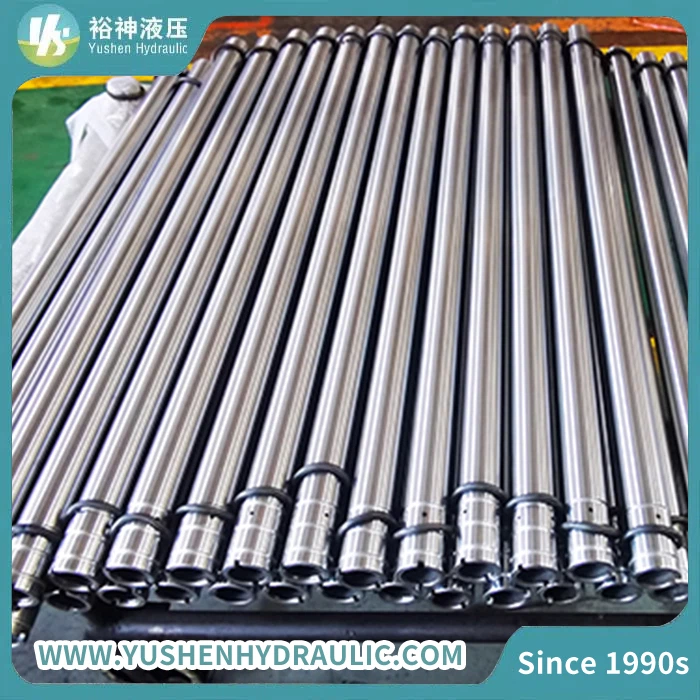
Hey there! As a supplier of CK45 Precision Piston Rods, I often get asked about the minimum temperature these rods can withstand. It's a crucial question, especially for industries where these rods are used in extreme conditions. So, let's dive right in and explore this topic.
Understanding CK45 Precision Piston Rods
First off, what exactly are CK45 Precision Piston Rods? These rods are made from CK45 steel, which is a medium carbon steel known for its good strength, toughness, and wear resistance. They're precision-engineered to meet the strict requirements of various applications, such as hydraulic cylinders, automotive engines, and industrial machinery.
The CK45 steel used in these rods has a carbon content of around 0.42 - 0.50%, which gives it a nice balance of hardness and ductility. This means the rods can handle a fair amount of stress and load without breaking or deforming easily. But when it comes to temperature, things get a bit more complicated.
Factors Affecting the Minimum Temperature Resistance
There are several factors that can influence the minimum temperature the CK45 Precision Piston Rod can withstand. Let's take a look at some of the key ones:
Material Properties
The inherent properties of the CK45 steel play a big role. At low temperatures, the steel's ductility can decrease, making it more brittle. This is known as the ductile-to-brittle transition. As the temperature drops, the steel becomes less able to absorb energy through plastic deformation and is more likely to fracture under stress.
Heat Treatment
The heat treatment process used on the piston rod can also have a significant impact. Proper heat treatment can improve the steel's mechanical properties, including its low-temperature performance. For example, quenching and tempering can enhance the rod's hardness and toughness, making it more resistant to cracking at low temperatures.


Surface Finish
The surface finish of the piston rod matters too. A smooth surface finish can reduce stress concentrations, which are potential sites for crack initiation. Additionally, a protective coating, such as chrome plating, can provide an extra layer of protection against corrosion and wear, which can be exacerbated at low temperatures.
Determining the Minimum Temperature
So, what's the actual minimum temperature the CK45 Precision Piston Rod can withstand? Well, it's not a one-size-fits-all answer. In general, CK45 steel can start to experience a significant decrease in ductility at temperatures below -20°C (-4°F). However, with proper heat treatment and surface finish, the rod can potentially withstand lower temperatures.
Some well-treated CK45 Precision Piston Rods have been known to perform reliably at temperatures as low as -40°C (-40°F). But it's important to note that this is under ideal conditions, and the specific application and operating environment can also affect the rod's performance.
Applications in Low-Temperature Environments
There are many industries where CK45 Precision Piston Rods are used in low-temperature environments. Let's take a look at a few examples:
Automotive
In cold climates, automotive engines and transmissions need to operate smoothly. CK45 Precision Piston Rods are used in various components, such as shock absorbers and hydraulic actuators. These rods need to withstand the low temperatures without losing their performance or durability.
Hydraulic Systems
Hydraulic systems are widely used in industrial machinery and construction equipment. In cold weather, the hydraulic fluid can thicken, increasing the load on the piston rods. CK45 Precision Piston Rods with good low-temperature resistance are essential to ensure the proper functioning of these systems.
Aerospace
The aerospace industry also relies on high-performance piston rods. In high-altitude flights, the temperature can drop significantly. CK45 Precision Piston Rods used in aircraft landing gear and control systems need to be able to withstand these extreme conditions.
Comparing with Other Piston Rods
When it comes to low-temperature performance, how do CK45 Precision Piston Rods compare with other types of piston rods? Let's take a quick look at some alternatives:
S45C Piston Rod
S45C is similar to CK45 in terms of composition and properties. Both steels have a medium carbon content and offer good strength and toughness. However, the specific heat treatment and manufacturing processes can vary, which may affect their low-temperature performance.
Hydraulic Hard Chrome Piston Rod
Hydraulic hard chrome piston rods are known for their excellent wear resistance and corrosion protection. The chrome plating can also provide some insulation against temperature changes. However, the base material and heat treatment are still crucial factors in determining the rod's low-temperature capabilities.
Hard Chrome Steel Piston Rod for Hydraulic Cylinder
These rods are specifically designed for hydraulic cylinders. They often undergo a rigorous manufacturing process to ensure high precision and performance. Like the other types, their ability to withstand low temperatures depends on the quality of the steel and the heat treatment.
Ensuring Optimal Performance at Low Temperatures
If you're using CK45 Precision Piston Rods in a low-temperature environment, here are some tips to ensure their optimal performance:
Choose the Right Heat Treatment
Work with a reputable manufacturer who can provide the appropriate heat treatment for your specific application. This will help improve the rod's low-temperature toughness and reduce the risk of cracking.
Consider a Protective Coating
A chrome plating or other protective coating can enhance the rod's resistance to corrosion and wear, which can be more severe at low temperatures. Make sure the coating is applied properly to ensure maximum effectiveness.
Monitor the Operating Conditions
Keep an eye on the temperature and other operating conditions. If the temperature drops below the recommended range, take appropriate measures, such as using a heater or insulating the equipment.
Conclusion
In conclusion, the minimum temperature the CK45 Precision Piston Rod can withstand depends on several factors, including the material properties, heat treatment, and surface finish. While CK45 steel can start to become brittle at temperatures below -20°C (-4°F), with proper treatment and care, the rods can potentially perform well at even lower temperatures.
If you're in the market for high-quality CK45 Precision Piston Rods that can handle low-temperature environments, I'd love to have a chat with you. Whether you're in the automotive, hydraulic, or aerospace industry, I can provide you with the right solution for your needs. Don't hesitate to reach out and start a conversation about your procurement requirements.
References
- ASM Handbook Volume 1: Properties and Selection: Irons, Steels, and High-Performance Alloys
- Metals Handbook Desk Edition, Third Edition