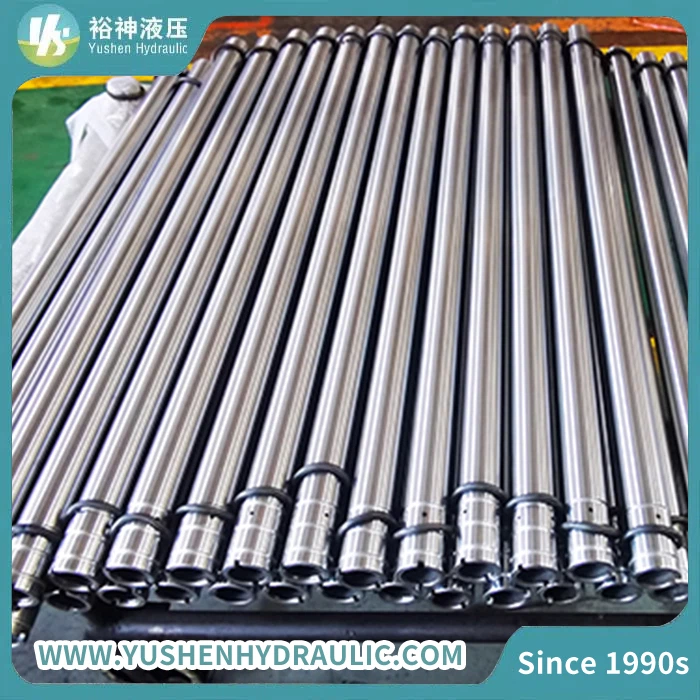
When it comes to the installation of the 1020 Cylinder Tube, having the right tools is crucial for a successful and efficient process. As a trusted supplier of 1020 Cylinder Tubes, I understand the significance of using appropriate installation tools to ensure the optimal performance and longevity of the cylinder tube. In this blog, I will discuss the essential installation tools required for the 1020 Cylinder Tube and how they contribute to a seamless installation experience.
Measuring Tools
Accurate measurements are the foundation of a proper installation. For the 1020 Cylinder Tube, measuring tools such as calipers and micrometers are indispensable. Calipers, whether digital or vernier, allow you to measure the inner and outer diameters of the cylinder tube with high precision. This is important for ensuring a proper fit with other components in the hydraulic system. Micrometers, on the other hand, provide even more accurate measurements, especially for critical dimensions. By using these measuring tools, you can verify that the cylinder tube meets the required specifications and avoid any installation issues due to incorrect sizing.
Welding Equipment
In many cases, the 1020 Cylinder Tube needs to be welded to other components during the installation process. Welding equipment, such as a welding machine, electrodes, and protective gear, is essential for this task. A high - quality welding machine ensures a strong and reliable weld joint. The choice of electrodes depends on the type of material being welded and the specific requirements of the application. Protective gear, including welding helmets, gloves, and aprons, is necessary to protect the installer from the hazards associated with welding, such as sparks, heat, and UV radiation.
Cutting Tools
Cutting tools are often required to adjust the length of the 1020 Cylinder Tube or to make openings for fittings. A hacksaw can be used for small - scale cutting jobs, but for more precise and efficient cutting, a band saw or a plasma cutter may be more suitable. A band saw can cut through the cylinder tube with a high degree of accuracy, while a plasma cutter is ideal for cutting through thicker materials and can provide a clean and smooth cut. When using cutting tools, it is important to follow safety procedures and ensure that the cutting edges are sharp to achieve the best results.
Fitting Installation Tools
Fittings play a vital role in connecting the 1020 Cylinder Tube to other parts of the hydraulic system. Tools such as wrenches and socket sets are necessary for installing fittings. Different types of wrenches, such as adjustable wrenches, open - end wrenches, and box - end wrenches, are used depending on the size and type of the fitting. Socket sets, with a variety of socket sizes, can provide a more secure grip on the fitting and make the installation process easier. Additionally, a torque wrench is often used to ensure that the fittings are tightened to the correct torque specification. Over - tightening or under - tightening the fittings can lead to leaks or other problems in the hydraulic system.
Alignment Tools
Proper alignment of the 1020 Cylinder Tube is essential for its smooth operation. Alignment tools, such as laser alignment systems or straightedges, can be used to ensure that the cylinder tube is installed in a straight and level position. A laser alignment system provides a highly accurate way to align the cylinder tube with other components, while a straightedge can be used for a more basic alignment check. By using alignment tools, you can prevent premature wear and tear on the cylinder tube and other components, as well as ensure the proper functioning of the hydraulic system.


Lubrication Tools
Lubrication is important for reducing friction and wear in the 1020 Cylinder Tube and its associated components. Lubrication tools, such as grease guns and oil applicators, are used to apply the appropriate lubricant to the moving parts. A grease gun allows for precise application of grease to the bearings and other points of contact, while an oil applicator can be used to apply oil to the internal surfaces of the cylinder tube. Using the right lubrication tools and the correct type of lubricant can significantly extend the service life of the cylinder tube.
Safety Equipment
Last but not least, safety equipment is of utmost importance during the installation process. This includes safety glasses to protect the eyes from flying debris, ear protection to reduce the noise level, and safety shoes to prevent foot injuries. Additionally, a safety harness may be required if the installation is taking place at a height. By wearing the appropriate safety equipment, installers can minimize the risk of accidents and injuries.
In addition to the installation tools, it is also important to consider the quality of the 1020 Cylinder Tube itself. Our company offers high - quality 1020 Cylinder Tubes that are made from premium materials and undergo strict quality control processes. We also provide related products such as Carbon Steel Chrome Hydraulic Cylinder Rod, cylinder chrome - plated piston rod, and Piston Rod Hard Chrome Plated Rod. These products are designed to work seamlessly with the 1020 Cylinder Tube and can enhance the overall performance of the hydraulic system.
If you are in need of 1020 Cylinder Tubes or have any questions about the installation process, please feel free to contact us. Our team of experts is ready to assist you with your procurement needs and provide you with professional advice. We are committed to providing the best products and services to our customers and look forward to working with you on your next project.
References
- "Hydraulic Cylinder Installation and Maintenance Guide", Industry Standard Publication
- "Welding Handbook", American Welding Society
- "Tool Selection for Industrial Applications", Machinery Tool Magazine