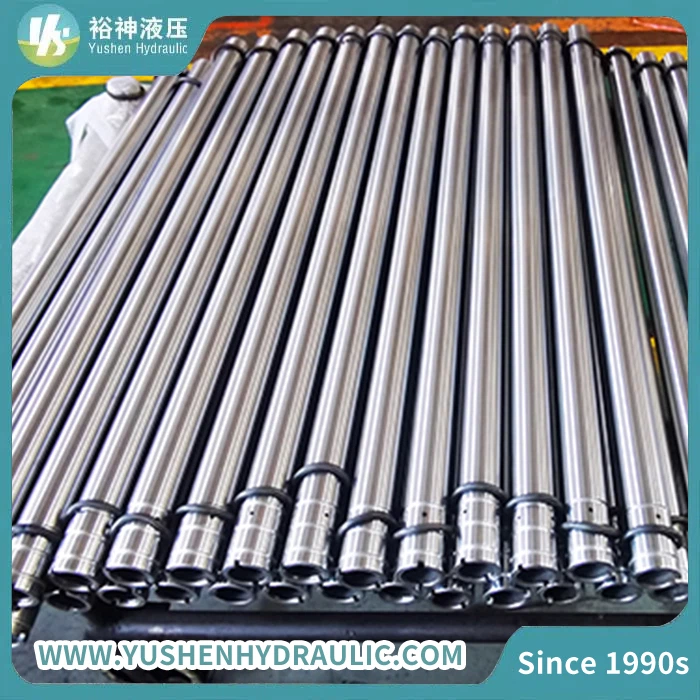
Hey there! I'm a supplier of cylinder tubes, and I've seen my fair share of cracked cylinders over the years. It's a real pain in the neck, not just for the customers but for us suppliers too. A cracked cylinder tube can lead to all sorts of problems, from leaks to complete system failures. So, in this blog post, I'm gonna share some tips on how to prevent a cylinder tube from cracking.
1. Choose the Right Material
The first step in preventing cylinder tube cracking is to choose the right material. Different applications require different materials, and using the wrong one can significantly increase the risk of cracking. For instance, if you're dealing with high-pressure applications, you'll want a material that can withstand the stress. Stainless steel is a popular choice for its strength and corrosion resistance. It can handle high pressures without easily cracking.
Another option is alloy steel, which offers a good balance of strength and toughness. It's often used in heavy-duty applications where the cylinder tube needs to endure a lot of wear and tear. On the other hand, if your application doesn't require extremely high strength, aluminum might be a suitable choice. It's lightweight and has good corrosion resistance, but it's not as strong as steel. So, make sure to consider the specific requirements of your application when selecting the material for your cylinder tube.
2. Proper Manufacturing Process
The manufacturing process of the cylinder tube plays a crucial role in preventing cracks. A well-manufactured tube is less likely to develop cracks during its lifespan. One important aspect is the heat treatment. Heat treatment can improve the hardness and toughness of the material, making it more resistant to cracking. For example, quenching and tempering can enhance the mechanical properties of the steel, reducing the chances of brittle fracture.
Another key factor is the machining process. During machining, it's essential to avoid creating sharp edges or notches, as these can act as stress concentrators and lead to cracking. The surface finish of the tube also matters. A smooth surface reduces the risk of stress concentration and corrosion, both of which can contribute to cracking. At our company, we use advanced manufacturing techniques to ensure that our Precision Hydraulic Cylinder Piston Rod and other cylinder tubes are of the highest quality.
3. Correct Installation
Proper installation is vital for preventing cylinder tube cracking. If the cylinder tube is not installed correctly, it can be subjected to uneven stress, which can cause cracks over time. First of all, make sure that the mounting points are aligned properly. Misaligned mounting can put extra stress on the tube, leading to premature failure.
Also, use the right fasteners and tightening torque. Over-tightening the fasteners can cause excessive stress on the tube, while under-tightening can result in loose connections and vibrations, which can also contribute to cracking. When installing the cylinder tube, follow the manufacturer's instructions carefully. If you're not sure how to install it correctly, don't hesitate to ask for help.
4. Regular Maintenance
Regular maintenance is one of the most effective ways to prevent cylinder tube cracking. By inspecting the tube regularly, you can detect any signs of wear, corrosion, or damage early on and take appropriate measures to prevent further deterioration. Check the tube for any visible cracks, scratches, or dents. Even small cracks can grow over time, so it's important to address them as soon as possible.
Clean the tube regularly to remove any dirt, debris, or contaminants that can cause corrosion. You can use a mild detergent and a soft cloth to clean the surface. Lubrication is also crucial. Proper lubrication reduces friction and wear, which can help prevent cracking. Make sure to use the right type of lubricant for your application and apply it at the recommended intervals.


5. Avoid Overloading
Overloading the cylinder tube is a surefire way to cause cracking. Every cylinder tube has a maximum load capacity, and exceeding this capacity can put excessive stress on the tube, leading to cracks. Before using the cylinder tube, make sure you know its load capacity and don't exceed it.
If you need to increase the load capacity, consider using a larger or stronger cylinder tube. Don't try to push the tube beyond its limits. Also, be aware of any dynamic loads or shock loads that the tube might be subjected to. These types of loads can cause sudden stress spikes, which can increase the risk of cracking.
6. Temperature Control
Temperature can have a significant impact on the integrity of the cylinder tube. Extreme temperatures can cause the material to expand or contract, which can lead to stress and cracking. In high-temperature applications, make sure to use a material that can withstand the heat. For example, some alloys are designed to maintain their strength and toughness at high temperatures.
On the other hand, in low-temperature applications, the material can become brittle, increasing the risk of cracking. Insulate the cylinder tube if necessary to protect it from extreme temperature changes. You can also use temperature sensors to monitor the temperature and take appropriate measures if it gets too high or too low.
7. Use Protective Coatings
Applying a protective coating to the cylinder tube can provide an extra layer of protection against cracking. Coatings can help prevent corrosion, reduce friction, and improve the overall durability of the tube. One popular type of coating is chrome plating. Chrome plating offers excellent corrosion resistance and a hard, smooth surface, which can reduce wear and tear.
We offer Hollow Chrome Plated Rod and Hard Chrome Plated Cylinder Rod with high-quality chrome plating. Other types of coatings, such as epoxy coatings or ceramic coatings, can also be used depending on the specific requirements of your application.
Conclusion
Preventing a cylinder tube from cracking requires a combination of proper material selection, manufacturing, installation, maintenance, and operation. By following these tips, you can significantly reduce the risk of cracking and ensure the long-term performance of your cylinder tube.
If you're in the market for high-quality cylinder tubes, we're here to help. We've got a wide range of products to meet your needs, and our team of experts can provide you with the advice and support you need. Whether you're looking for a Precision Hydraulic Cylinder Piston Rod, a Hollow Chrome Plated Rod, or a Hard Chrome Plated Cylinder Rod, we've got you covered. Contact us today to start a procurement discussion and find the perfect cylinder tube for your application.
References
- ASM Handbook, Volume 1: Properties and Selection: Irons, Steels, and High-Performance Alloys
- Machinery's Handbook, 31st Edition
- Hydraulic Cylinder Design and Application Manual